

A well-structured HOA disaster preparedness plan is critical to any community. With a plan in place, association boards can minimize damage, improve response times, and support recovery efforts. In Texas, plans should adjust with the seasons, as each season brings a new set of potential disasters.
The Importance of HOA Disaster Preparedness in Texas
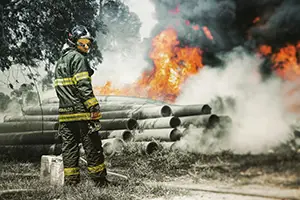
Homeowners associations are responsible for maintaining and protecting common areas. During a disaster, that responsibility becomes even more essential.
Without proper preparation, communities may experience extensive property damage, higher insurance claims, delayed repairs, and safety hazards. Communication breakdowns are also common during emergencies. All of these things can result in financial strain and resident dissatisfaction.
In Texas, the weather can change in an instant. One season may bring drought and wildfire risks, while another brings hurricanes and ice storms. Because of this, associations must prepare throughout the year rather than react only after a disaster occurs.
HOA Disaster Preparedness for Spring in Texas
Spring in Texas often brings severe thunderstorms, hail, tornadoes, and flash flooding. Here are the tactics to include in a spring disaster plan.
1. Inspect Drainage Systems
Poor drainage systems can quickly become overwhelmed when heavy rain pours. A huge part of HOA storm preparedness is inspection. Boards should arrange to inspect storm drains, retention ponds, gutters, culverts, and drainage ditches.
From there, it is important to remove any debris in these areas. Do this before the start of the storm season to reduce the risk of flooding.
2. Check Roofs and Building Exteriors
Spring storms frequently produce hail and strong winds. The board should schedule inspections for clubhouse roofs, pool buildings, fencing, siding, exterior lighting, and carports. Small issues can quickly turn into major leaks during severe weather.
3. Trim Trees and Landscaping
Weak branches can break during storms and damage homes, vehicles, or utility lines. The association board should have dead trees removed and overgrown branches trimmed before the storm season begins.
4. Review Emergency Vendor Contracts
Spring is a good time to reaffirm relationships with vendors. These include tree removal companies, restoration vendors, roofing contractors, emergency plumbers, and electricians. After major storms, vendors often have many clients to manage, and it’s important to make the association a priority.
5. Update Resident Contact Information
Boards should confirm resident phone numbers and email addresses before the emergency season begins. This will help support fast communication, which is critical during severe weather events.
HOA Disaster Preparedness for Summer in Texas
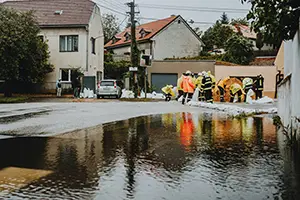
Summer often brings hurricanes, extreme heat, drought conditions, and wildfires. Here are the ways an association can prepare itself for what summer has in store.
1. Prepare for Hurricane Season
Hurricane season officially begins in June. As part of HOA hurricane preparedness, boards should review their evacuation procedures, emergency communication plans, and insurance policies. It is also vital to have generators and sandbags ready. Both the association and its residents should have well-stocked emergency supplies.
2. Monitor Irrigation Systems
Texas summers can become extremely dry. The association should inspect irrigation systems regularly to prevent water waste, avoid dead landscaping, and reduce fire risks. Many local authorities also have their own watering restrictions that associations must comply with.
3. Reduce Wildfire Hazards
Wildfire risks increase during drought conditions. Communities near open land face especially high risks. To combat this, board members should develop an HOA wildfire plan.
This plan should include steps to reduce risks. Common strategies include removing dry vegetation, maintaining defensible space around structures, trimming brush, cleaning common areas, and monitoring outdoor burn restrictions.
4. Inspect Community Pools
Summer is known for extreme heat, and when it’s hot outside, people are more likely to use the pool. The HOA should ensure that all pool equipment works properly, gates and locks function correctly, and emergency phones remain operational.
Moreover, safety signage must remain visible at all times. These steps will help promote safety during the busy pool season.
5. Protect Vulnerable Residents
Heat waves can create dangerous conditions for elderly residents, medically vulnerable homeowners, and even pets. The association should communicate information about cooling centers and emergency resources to residents.
HOA Disaster Preparedness for Fall in Texas
Fall serves as a transition period between hurricane season and winter weather preparation. Flooding, windstorms, and early cold snaps are common, but work usually focuses on preventive measures.
Here are strategies for disaster preparedness in the fall.
1. Review Insurance Coverage
The board should review insurance policies every year before winter arrives. This includes property insurance, flood insurance, windstorm coverage, general liability insurance, and directors and officers insurance. The HOA should also review deductibles and coverage limits.
2. Conduct Preventive Maintenance
Fall is a good time to pursue maintenance projects before the cold season comes in. The board should inspect boilers and heating systems, pipes and plumbing, exterior lighting, sidewalks, and access systems. Preventive maintenance can help reduce winter emergencies.
3. Test Emergency Communication Systems
Boards should make sure that emergency alerts work properly before severe winter weather arrives. Check email notification systems, text alerts, website announcements, emergency hotlines, and resident portals.
4. Review HOA Emergency Plan
Boards should revisit disaster procedures every year before the winter season. It’s best to obtain help from managers, committees, and vendors with this task. Together, they can discuss emergency responsibilities, vendor coordination, resident communication, temporary closures, and insurance claim procedures.
5. Clear Leaves and Debris
Falling leaves can clog drains and gutters before winter storms arrive. With clogs, floods, water damage, and intrusion are more likely. Boards should ensure these areas are routinely cleaned.
HOA Disaster Preparedness for Winter in Texas
Texas winter storms can cause serious problems, especially after the widespread freezes in recent years. Communities may experience freezing temperatures, ice storms, snowstorms, and power outages.
Here are the best preparation methods for winter disasters.
1. Protect Pipes and Plumbing
Frozen pipes can cause catastrophic water damage. To combat this, the board should insulate exposed pipes, winterize irrigation systems, and monitor vacant units. Additionally, board members must educate residents about freeze prevention.
2. Prepare Backup Power Systems
Sometimes, winter storms can cause extended power outages. Preparations must include inspecting backup generators, fuel supplies, and battery systems. Furthermore, the board should ensure that emergency lights and other critical systems remain functional.
3. Stock Emergency Supplies
Communities should maintain emergency supplies and keep them well-stocked. These include ice melts, sand, flashlights, batteries, first-aid kits, and even temporary barricades. It is common for deliveries to experience delays during winter weather.
4. Establish Freeze Communication Procedures
Residents often need quick updates during winter emergencies. The board should communicate all pertinent information and keep residents in the loop.
Boards must educate residents about water shutoff procedures, warming centers, road closures, and amenity closures. Additionally, it is important to disseminate emergency contacts.
5. Inspect Common Area Heating Systems
Community buildings should maintain safe temperatures during freezing conditions. When heating fails, the association is more likely to have frozen pipes and unsafe conditions for residents.
Year-Round HOA Disaster Plan Tips
While some preparedness measures are season-specific, others should be implemented year-round. These include:
1. Maintain Updated Reserve Funding
Disasters usually bring unexpected expenses, making reserves all the more critical. Associations should ensure they have sufficient reserves to respond quickly without relying solely on special assessments.
2. Create a Disaster Response Team
Many communities establish emergency committees or response teams to help prepare for and during disasters. This group of volunteers can help communicate with residents, report damages, and coordinate with vendors.
3. Keep Digital Records Backed Up
Association records can get lost in the shuffle when an emergency strikes. To ensure records remain accessible, the board should keep backups of all documents. These include the governing documents, insurance policies, vendor contracts, financial records, and owner contact lists. Physical copies are one thing, but cloud storage works best.
4. Conduct Emergency Drills
As the saying goes, practice makes perfect. In this case, practice can help improve an association’s emergency response. Boards should schedule drills for evacuations, fire response, severe weather procedures, and even communication testing.
5. Coordinate With Local Authorities
During times of crisis, local authorities are an association’s best ally. Board members should ensure that contact information for fire departments, police departments, emergency hotlines, utility providers, and management companies remains up-to-date.
Plan Early and Thoroughly
In Texas and beyond, HOA disaster preparedness demands proactive planning and maintenance. Different times of the year bring different risks, so boards should tailor their plans according to the season. Preparing in advance will put the association in a better position.
Graham Management offers exceptional HOA management services to Houston communities. Call us today at (713) 334-8000, request a proposal, or contact us online to learn more!
RELATED ARTICLES:
- HOA Xeriscaping: The Good, The Bad, And The Rules
- Keeping Wildlife In Texas HOAs Safe: Trash, Feeding, And Community Guidelines
- A Complete Guide To HOA Exterior Maintenance Responsibilities