
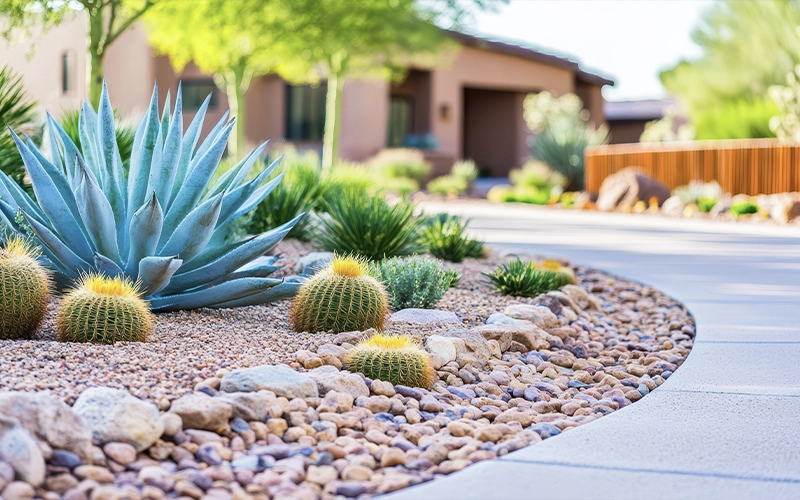
There has been a growing shift from plant-heavy landscaping to HOA xeriscaping. Contrary to popular belief, xeriscaping is not solely about rocks. There’s a lot more to it, and the benefits are clear. Still, board members must understand what is and isn’t allowed under xeriscaping rules.
What is HOA Xeriscaping?
Xeriscaping is the practice of using drought-tolerant native plants, sustainable materials, and efficient irrigation in place of water-intensive landscaping. The idea is to conserve more water while lowering maintenance costs without sacrificing aesthetic appeal.
In an HOA community, xeriscaping was once seen as a poor replacement for lush landscapes and intricately planned green spaces. Many associations even prohibited the practice.
Times have changed since then. With a greater commitment to sustainability and long-term environmental preservation, communities are now experiencing a shift. Legislators have also done their part by passing laws that prevent outright bans on xeriscaping.
Can the Board Ban the Use of HOA Drought-Resistant Plants?
Whether an association may prohibit xeriscaping depends on state laws and the governing documents. In the battle against climate change, a handful of states have proposed or passed legislation designed to limit bans on drought-tolerant plants. Common examples include Colorado and California.
If state laws are silent, board members must refer to their CC&Rs and bylaws. These documents should tell the board if it can regulate xeriscaping in the community.
Can an HOA Prohibit Texas Drought-Resistant Landscaping?
No. In Texas, Section 202.007 expressly prevents an HOA from outright banning drought-resistant landscaping, as well as rain barrels, composting systems, and efficient irrigation systems. Rules that conflict with this law are deemed invalid and unenforceable.
The Benefits of HOA Xeriscaping
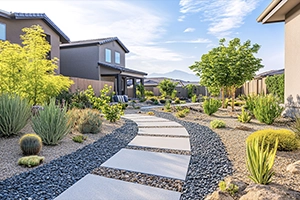
Xeriscaping often gets a bad rap due to its perceived unattractiveness. Yet when designed correctly, xeriscaping can create beautiful landscapes. Apart from its aesthetic appeal, xeriscaping offers several advantages.
Here are the reasons why an association should invest in xeriscaping and allow owners to do the same.
1. Significant Water Savings
Xeriscaping can significantly reduce water use, with studies suggesting that replacing 1 square foot of grass can save up to 25 gallons of water annually. This not only lowers water bills but also contributes to water conservation.
2. Lower Maintenance and Costs
With xeriscaping, there is a reduced need for mowing, pesticides, and fertilizers. Owners also don’t have to constantly water their lawns or yards. All of these things can reduce maintenance costs, saving money for both residents and the association.
3. Eco-Friendly and Sustainable
Xeriscaping supports local ecosystems because it uses native plants and reduces chemical runoff. Associations that wish to attract more environmentally conscious buyers should consider permitting xeriscaping practices.
4. Resilience to Climate Change
Xeriscaped landscapes are designed to withstand extreme heat and weather. Hot summers and heavy rainfall typically have little to no effect, especially in comparison to lush or plant-heavy spaces. This makes xeriscaped areas more durable than traditional lawns.
5. Reduced Labor
Xeriscaping, both in private lots and the common areas, can lower labor costs, too. Because there is a reduced need for frequent watering, pruning, and mowing, upkeep isn’t as labor-intensive.
For owners, this can result in fewer violations relating to lawn maintenance. For the association, this means lowering maintenance vendor costs.
Common HOA Xeriscaping Policies
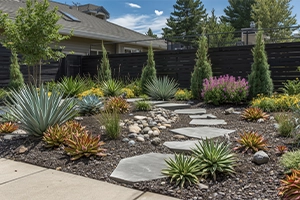
While Texas law does not allow blanket bans on drought-resistant landscaping, associations may regulate the practice. These regulations aim to maintain healthy plant life, safe environments, and well-curated spaces, all while ensuring a uniform appearance.
Here are the most common HOA xeriscaping rules in communities.
1. Plant Selection
Many associations require the use of pre-approved and non-invasive plants. These plants are usually native, drought-tolerant, or low-water-use and help create a sustainable environment.
2. Ground Cover Requirements
Rules often mandate a combination of plant materials, completely prohibiting owners from covering the entire lawn or yard with a single type of rock or gravel. For example, an HOA may require owners to maintain a specific percentage of vegetative cover, such as 40% turf or green cover.
3. Weed Control
Weeds can still become a problem in xeriscaping. To limit the spread of weeds, some associations require the use of landscape fabric or other measures. These will help prevent weed growth in mulched or gravel areas.
4. Maintenance
Xeriscaping may not require as much maintenance as traditional landscaping, but some upkeep is still necessary. Associations require owners to maintain their xeriscaping, which can include removing dead plants or pruning perennial grasses.
5. Prohibited Items
Another common HOA xeriscaping restriction involves specific items. For example, an association may restrict the size of the rocks used. Large boulders are often not permitted, as they can be an eyesore or mess with the balance of the xeriscaped area.
Another example is prohibiting the growth of thorny plants in certain places, such as near sidewalks or walkways. This protects the health and safety of passersby.
6. Drainage and Grading
While HOA xeriscaping helps conserve water, most designs still use some amount. Owners must typically ensure that their design does not cause runoff issues for their neighbors or the common areas.
7. Design Approval Process
Xeriscaping falls under the responsibility of the Architectural Review Committee. Before an owner makes any major changes, they must first submit an application to the ARC. This application must include all pertinent details, including a design plan.
Approval is required before the owner can start work. If they proceed without permission, the ARC may issue a violation. The owner will then have to reverse the unauthorized changes, at their own expense, before going through the entire approval and construction process again.
A Point for HOA Xeriscaping
Homeowners associations rely on consistent and appealing landscaping to maintain property values. While lush, green spaces are often favored, the law clearly prohibits HOAs from banning xeriscaping. That said, associations can still enact reasonable restrictions, but these must be outlined within the governing documents.
Graham Management offers exceptional HOA management services to Houston communities. Call us today at (713) 334-8000, request a proposal, or contact us online to learn more!
RELATED ARTICLES:
- Is Having A Sport Court In Backyards Allowed In HOAs?
- Strategies To Reduce Speeding In HOA Communities
- What To Know About Installing EV Charging Stations In HOA Communities