

Wildlife in Texas HOAs is a part of everyday life for many communities. From deer and raccoons to coyotes and birds, nature often shares the neighborhood with residents. Living in harmony requires planning, rules, and respect. By understanding guidelines and responsibilities, associations can keep wildlife and people safe.
Most Common Wildlife in Texas HOAs
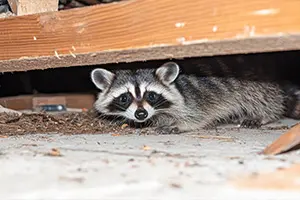
Wildlife in HOAs can vary depending on the community’s location, landscape, and nearby natural areas. Some of the most common species include:
- Deer. Deer are often found in suburban neighborhoods near wooded land. They graze on lawns, shrubs, and gardens.
- Coyotes. Coyotes appear in areas close to open fields or undeveloped land. They may target small pets or food scraps.
- Raccoons. They thrive in urban and suburban spaces. Additionally, they’re known for scavenging trash bins and causing property damage.
- Opossums. These are common nighttime visitors. They feed on insects, fruits, and garbage.
- Armadillos. They dig up lawns in search of insects and grubs. Their burrows can damage landscaping.
- Birds. This includes hawks, owls, and songbirds. They help control pests and maintain ecological balance.
- Snakes. Both venomous and nonvenomous varieties live near tall grass, wooded areas, or water features.
- Skunks. Although less common, skunks are known to spray when threatened and may rummage through unsecured trash.
- Foxes. Foxes occasionally appear in some regions. They are shy but may scavenge for food near homes.
Each of these animals plays a role in the ecosystem, but they can also create safety challenges for communities. Homeowners associations should make preparations to manage encounters in a responsible manner. This will help reduce conflict between residents and wildlife.
Understanding Texas Parks and Wildlife Department (TPWD) Regulations
In Texas, state laws regulate stray wildlife in HOAs. The Texas Parks and Wildlife Department (TPWD) is in charge of managing and protecting native species. This agency sets the rules for handling, relocating, or interacting with animals.
Associations can’t simply remove or harm wildlife without considering TPWD’s regulations. The agency provides permits for trapping and relocating particular species when necessary. It also enforces penalties for illegal feeding or harming protected animals.
Wildlife in Texas HOAs falls under TPWD’s broader conservation mission. The department focuses on preserving ecological balance while allowing people to live safely alongside animals.
Associations that understand and follow these regulations can protect their residents from liability. At the same time, they can support statewide conservation goals. Boards should review TPWD guidelines regularly and share important updates with residents. When in doubt, it is best to consult a professional.
Partnering With Local Animal Control

Wildlife control in HOAs is not solely the responsibility of the board. Local animal control departments can also serve as valuable partners. They can provide expertise, hands-on assistance, and training that many associations can’t manage on their own.
Services
Local animal control departments offer a wide range of services that help address wildlife in Texas HOAs. They can safely remove animals that pose a threat to residents or pets. For example, they can trap raccoons, relocate snakes, or handle aggressive coyotes. They can also inspect community areas for potential risks, such as unsecured trash bins or damaged fencing.
Additionally, animal control officers can assist in setting up humane deterrents. This includes providing advice on motion-sensor lighting or noise devices to discourage unwanted wildlife. By partnering with animal control, HOAs gain access to professional resources that can reduce risks without posing any harm to the animals.
Education
Beyond removal, animal control can also educate residents about wildlife in Texas HOAs. Many departments host seminars to explain proper behavior when encountering wild animals. They may distribute printed materials, guides, or digital resources.
Associations can invite animal control officers to annual meetings or special community events. They can conduct workshops or drills to teach residents how to react if they encounter a coyote, snake, or other wildlife in their garage.
Of course, it is essential to advertise these events ahead of time to increase attendance. Encouraging homeowners to educate themselves through these programs can keep everyone safe.
Implementing Community-Wide Safety Rules
Wildlife conservation in HOAs requires practical and enforceable rules. These guidelines help prevent conflict, protect pets, and reduce safety risks. Boards should communicate these policies clearly through newsletters, meetings, and signage.
Here are the most essential rules to apply.
1. Avoid Direct Contact
Residents should avoid direct contact with wild animals. It is dangerous to approach deer, feed raccoons, or try to move snakes, especially without professional help.
Wild animals can carry diseases. Furthermore, these animals tend to be unpredictable, and unexpected behavior may result in injuries. The association’s rules should remind residents to observe wildlife from a distance.
2. Discourage Feeding of Wildlife
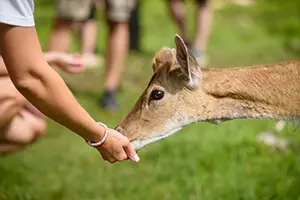
Feeding wildlife in Texas HOAs can create long-term problems. Animals tend to lose their natural fear of humans and may even become aggressive.
When residents feed stray animals, such as coyotes or raccoons, they usually return expecting food again. This increases the chance of conflict. Associations should establish strict no-feeding rules and explain the consequences of breaking them.
3. Secure Trash Disposal
Trash is one of the biggest attractants for wild animals. Raccoons, opossums, and coyotes are drawn to leftover food and open containers. Associations should require residents to use secure and animal-proof trash bins.
It is also best to establish and strictly enforce pickup schedules. This will help residents from leaving their trash bags outside overnight. Community dumpsters should also have locking lids to prevent scavenging.
4. Keep an Eye on Pets
Pets are often at risk when wildlife is nearby. Coyotes, hawks, and snakes can harm cats and small dogs. Communities should remind owners to keep pets indoors at night to avoid encounters.
When outside, pets should remain on a leash. Fenced yards can add another layer of protection, but supervision is still important. It is essential to establish clear rules about pet safety to benefit both residents and wildlife.
5. Install Yard Fences
Fences can protect gardens and prevent certain animals from entering homeowners’ yards. Residents with fruit trees or vegetable gardens, in particular, may attract deer, raccoons, or other wildlife.
Homeowners should have proper fencing to protect these areas. Fences also discourage wildlife from looking for food within the neighborhood. Associations can also establish fencing standards to ensure consistency across the community.
Handling Wildlife in HOAs
Board members should understand how to handle wildlife in Texas HOAs properly. Education is key, but so is establishing partnerships with local agencies. Through the guide above, associations can keep residents safe while simultaneously protecting wildlife in their areas.
Graham Management offers exceptional HOA management services to Houston communities. Call us today at (713) 334-8000, request a proposal, or contact us online to learn more.
RELATED ARTICLES:
- Year-Long HOA Lawn Maintenance
- HOA Sidewalk Rules Explained: Rights And Regulations
- Are Condo Pets Allowed? Can The HOA Ban Them?