
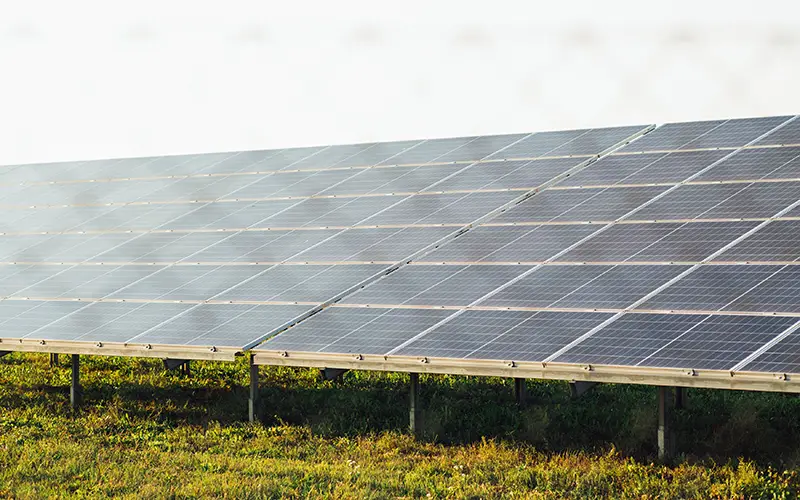
Navigating solar panels and HOA communities can be challenging for board members. It takes a fundamental understanding of state laws and the governing documents. Before passing any resolution concerning solar panels, associations must first determine the extent of their authority and what options are available to them.
Solar Panels and HOA Communities
Solar panels are becoming more popular in the United States, even generating more energy than coal for the first time in May 2026. Homeowners everywhere are strongly considering switching to renewable energy to reduce costs and commit to sustainability.
Yet, not all homeowners are free to make this choice. In some neighborhoods in the country, solar panels are highly restricted or even banned. While homeowners association solar panels can attract more buyers, particularly environmentally-conscious ones, many still view them as eyesores.
That said, associations may not have the authority to control the installation of solar panels. It ultimately depends on state laws and the association’s governing documents.
Can HOA Deny Solar Panels in Texas?
In Texas, an HOA generally can’t adopt or enforce rules that prohibit homeowners from installing solar energy devices (Section 202.010). A solar energy device is defined by the statute as any equipment that captures solar energy and converts it to heat or electricity. Given this definition, it encompasses both traditional solar panels and solar roof tiles.
An HOA in Texas also can’t unreasonably restrict solar energy devices. If a rule effectively prevents installation, that rule is considered void and unenforceable. That said, the law does provide some exceptions and specific situations where regulations or prohibitions are warranted.
Can HOA Restrict Solar Panels in Texas?
In Texas, HOAs can impose reasonable restrictions on the placement and aesthetics of solar energy devices. These restrictions must not increase installation costs or reduce energy production by more than 10%. That said, there are some exceptions to HOA solar panel restrictions.
1. Health, Safety, or Legal Violations
An association may prohibit a solar installation if a court determines that it meets one of two conditions:
- Endangers public health or safety, or
- Violates another law.
For example, if the installation poses a fire hazard or violates building codes, then the association can block it. It is important that a court makes this determination.
2. HOA-Owned Property
An association may prohibit owners from installing solar energy devices on HOA-owned property. Common examples include the clubhouse roof, a community center roof, or an HOA-owned maintenance building.
3. Common Areas
An association may prohibit owners from installing solar energy devices in common areas or in areas jointly owned by all members. Examples include shared green spaces, common parking areas, and shared recreational facilities.
4. Improper Location on the Owner’s Lot
Associations may regulate the placement of the solar energy device. An HOA can prohibit installation anywhere other than on a roof, in a fenced yard or patio, or in any structure permitted by the governing documents. If the homeowner wants to place solar equipment elsewhere, the HOA may prohibit it.
5. Roof-Mounted Solar Panel Restrictions
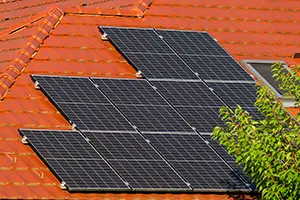
If the solar panel is mounted on a roof, the association may prohibit it if any of the following apply:
- It extends above or beyond the roofline,
- It is installed outside the HOA-designated location,
- It does not match the roof slope, or
- It comes in unapproved colors.
There are limitations to these conditions as well. An owner can use a different location, for instance, if moving the panels there would increase annual energy production by more than 10%. The National Renewable Energy Laboratory’s publicly available modeling tool must determine the extent of this increase.
6. Too Tall in a Fenced Yard
If installed in a fenced yard or patio, the HOA may prohibit the device if it extends above the fence line. The solar equipment generally can’t stick up higher than the surrounding fence.
7. Voids Warranties
The association may ban an installation that would void material warranties. For example, if installing the panels would void the roof manufacturer’s warranty, then the HOA can prohibit it.
8. No Prior Approval
Many associations require owners to obtain approval before installing solar panels. Approval usually comes from the HOA board or the Architectural Review Committee.
Owners must usually go through an application process. That said, the ARC must make decisions within a reasonable timeframe and follow the specific review period outlined in the governing documents. The HOA can’t create an approval process and then just ignore applications altogether.
Solar Panels and HOA Rules
Associations may create HOA solar panel guidelines that tackle the placement and design of the devices. Still, if a homeowner’s proposal complies with all requirements, then the board must generally approve the installation.
An association can’t deny an application simply because board members dislike solar panels. This can create liability problems for the HOA. When making decisions, boards must never let personal interests or preferences cloud their judgment.
Of course, neighbor approval can also come into play. If the board determines that the proposed installation would “substantially interfere” with a neighbor’s use and enjoyment of their home, the request may be denied. This determination must come in writing.
For this reason, many homeowners obtain written consent from their neighbors and submit it with their application. This approval serves as evidence that the installation won’t cause unreasonable discomfort or annoyance.
Common Disputes With HOA Solar Panels
Solar panels may lower energy costs and help protect the environment, but they can also spark significant disputes within a community. Here are the typical grievances associated with solar panels and HOA neighborhoods.
1. Aesthetic Restrictions
Associations usually require owners to place their solar devices on the rear or side slopes of a roof to maintain curb appeal. While this supports aesthetic standards, the most energy-efficient side for solar panels doesn’t always align with this rule. It could be the front of the house.
Moreover, dictating the design standards, such as frame colors or visible writing, can cause installation costs to spike. Owners tend not to want to shell out extra money just to meet aesthetic requirements.
2. Panel Placement
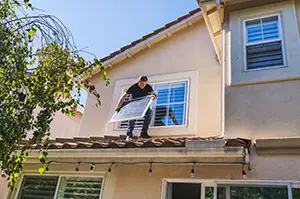
Disputes often arise when an HOA denies an application because the panels either take up too much roof space or interfere with existing architectural elements. Most of the time, the association is only complying with municipal and county fire codes that require setbacks.
3. Installation Delays
Homeowners frequently face unapproved work stop orders from the HOA, delayed application reviews, or outright denials based on vague architectural rules. While the association doesn’t have legal authority to issue an official “stop work” order like municipalities, it can levy fines or other penalties.
4. Contractor Requirements
Associations normally have strict guidelines on who can perform the installation. Homeowners must hire licensed contractors with insurance coverage and building permits. Disputes arise when these contractors fail to meet the required rules or standards.
Solar Panels and HOA Approval
In Texas, homeowners have the right to install solar energy devices. Associations generally can’t ban installation or unreasonably restrict it. That said, regulations can focus on location, appearance, and approval processes. If a homeowner meets those requirements, the HOA usually must approve the installation.
Graham Management offers exceptional HOA management services to Houston communities. Call us today at (713) 334-8000, request a proposal, or contact us online to learn more!
RELATED ARTICLES:
- Can The Board Restrict HOA Flag Display In Homes?
- Is Having A Sport Court In Backyards Allowed In HOAs?
- HOA Xeriscaping: The Good, The Bad, And The Rules