

The number of stray animals in HOAs has been increasing in recent years. These strays bring hazards, potential damage, and liability issues to communities, so board members must find ways to limit their presence.
What Attracts Stray Animals in HOAs?
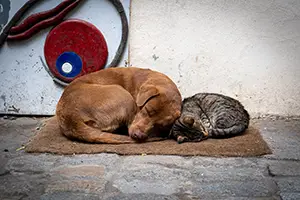
Stray animals tend to find their way into HOA communities because of open trash bins, deliberate feeding by residents, accessible shelter, water sources, and gardens or landscaping.
- Open Trash Bins. Garbage cans without lids are practically buffets for strays, allowing them to scavenge for leftovers or scraps.
- Deliberate Feeding. Some residents leave pet food and water bowls or intentionally feed strays, encouraging them to stay around.
- Accessible Shelter. Stray animals often hide in crawl spaces or woodpiles, particularly when the weather is harsh.
- Water Sources. If water is scarce in the wild, strays will venture into communities to find hydration in leaky hoses, pools, birdbaths, and pet water bowls.
- Gardens or Landscaping. Fruit and vegetable gardens are free food sources for strays, while overgrown landscaping provides breeding grounds.
Associations continue to see growth in the stray animal population due to a lack of neutering, irresponsible pet ownership, and weather conditions, among other factors. In Houston alone, climate and culture have been blamed for an estimated 1 million strays.
How to Handle Wild Animals in HOAs
Stray animals are often untamed and can be dangerous. When faced with wild animals in the neighborhood, HOA boards must not attempt to handle them on their own.
It is important to coordinate the removal of these animals. Legally, an HOA can’t trap or relocate animals without help from a professional or local authority.
Feral strays that pose a danger to the community or its residents call for the involvement of local authorities. Boards should contact their municipal or city animal control department for assistance.
It is equally crucial to educate residents on responsible pet ownership to limit stray populations or breeding. Associations can require owners to register their pets, have them vaccinated, and keep them properly restrained.
Strays can pose a threat to both property and people. When in doubt, calling animal control is the best course of action.
How Can the Board Control Stray Animals in HOAs?
To address stray animals in HOAs, board members should encourage residents to report sightings, enforce feeding rules, impose fines for violations, require pets to be leashed, and support TNR programs. Let’s discuss these strategies below.
1. Encourage Resident Reports
Board members don’t have eyes on everything. If a resident spots a stray or two, they must have proper avenues to file a report. This means establishing a system.
At a minimum, reports should ask for details on the type of stray animal, where it was spotted, and its perceived behavior (whether it seemed dangerous). With complete information, boards can better track the stray and prepare a response.
2. Enforce Feeding Rules
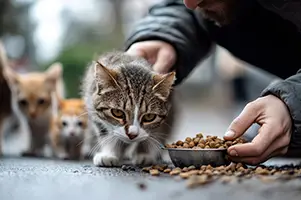
One thing that encourages strays to keep coming back is a reliable food source. To counteract this, boards must ensure that stray animal feeding is prohibited in HOAs. This includes both intentional and unintentional feeding.
Intentional feeding happens when residents deliberately leave food out for these strays. While their motivations may be pure, this action only encourages strays to return and even attracts their buddies.
Unintentional feeding happens when residents litter or forget to clean up after themselves in common areas. Perhaps a resident opened a bag of chips by the pool and left it there. Before long, all kinds of pests may swarm the area looking for their next meal.
Associations can bar residents from deliberately feeding stray animals. At the same time, it helps enforce cleanliness rules, requiring residents to pick up after themselves in common spaces.
3. Impose Fines for Violations
Sometimes, the rules just aren’t enough. To encourage compliance, many associations levy HOA fines for feeding stray animals. Of course, fines must follow an established schedule and a written enforcement policy.
In Texas, associations don’t have the inherent authority to impose fines. This authority must be clearly spelled out in the governing documents. If an HOA has this authority, it must create an enforcement policy and communicate it with owners (Section 209.0061).
Additionally, an HOA must provide written notice of the violation, an opportunity to cure, and a chance to attend a disciplinary hearing before levying the fine.
4. Keep Pets Leashed
Domestic pets can attract wildlife, so it is important to keep them under control at all times. Owners must keep their pets on a leash in common areas and keep their vaccination records up to date to minimize risks.
5. Support TNR Programs
Trap-Neuter-Release programs help keep the stray animal population (particularly outdoor cats) in check and reduce the problems they bring to the community. It is worth looking into a potential partnership with animal welfare groups that offer TNR.
What are the Consequences of Stray Animals in HOAs?
When left unchecked, stray animals can pose health and safety risks, inflict property damage, and attract even more wildlife and pests.
1. Health and Safety Risks
Stray animals are undomesticated and don’t have the proper vaccinations. They can spread disease among the pet population in the HOA, with some even transmitting them to people. Their urine and fecal matter are also biohazards.
Additionally, strays can pose a danger to residents, children, and pets, even when they seem friendly. They might physically attack others, resulting in injury and even death to some pets.
2. Property Damage
Stray animals can damage both HOA-owned and private property. They can break through fences, gnaw on furniture, and destroy landscaping or garden beds. Smaller critters can even find shelter in hard-to-reach places, such as foundations and crawl spaces, damaging these areas without owners realizing until it’s too late.
3. Attracts More Strays or Pests
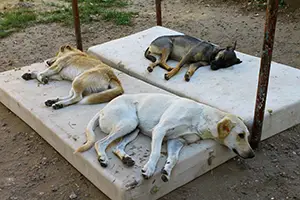
It may seem harmless to let a couple of strays into the community, but it can quickly become a major problem. Strays can attract other wildlife and even pests. They can turn over trash bins and leave behind food scraps for other animals to rummage through.
The Best Way Forward
Stray animals in HOAs can be a real issue. While implementing rules and discouraging feeding can go a long way, when an HOA does find its neighborhood overrun with strays, the best recourse is to call local authorities or animal control.
Graham Management offers exceptional HOA management services to Houston communities. Call us today at (713) 334-8000, request a proposal, or contact us online to learn more!
RELATED ARTICLES:
- Keeping Wildlife In Texas HOAs Safe: Trash, Feeding, And Community Guidelines
- HOA Violations Explained: Rules, Fines, And Homeowner Rights
- HOA Fines: Is It Legal To Ask These? Where Does The Money Go?