


Problems in mixed use community settings tend to show up faster than most boards expect, especially once residential living and daily commercial activity start bumping into each other in real time. To maintain harmony and satisfaction, boards must know how to handle these problems when they arise.
Problems in Mixed Use Community Associations and How to Address Them
Problems in mixed use community settings often come from the simple fact that everyone uses the same spaces differently. The commercial side attracts people in and out all day. Meanwhile, residents want a stable place to come home to, free from constant disruption.
Here are the common challenges mixed-use developments face and how the board can handle them.
1. Conflicts Between Residents and Commercial Tenants
This issue always sits near the top. Restaurants, shops, and offices bring deliveries, customer noise, odors, and staff coming in early or staying late. Residents prefer quieter evenings, clean pathways, and predictable activity. On the other hand, commercial tenants can’t operate if they constantly worry about whether their ordinary business routines will bother a resident three floors up.
The board must be clear about business hours, delivery procedures, and even where delivery trucks can go. Waste handling, odors, signage, and customer flow must stay within the rules. The board must also enforce these rules consistently because once one business pushes the limits, others follow. In the end, both sides can adjust more effectively when rules exist, and the board follows through.
2. Inconsistent Communication
Mixed-use communities grow very quickly. Owners, tenants, employees, customers, vendors, and even short-term visitors move around constantly, so messages often get cut off halfway. Notices that reach one building might never reach the next. Email blasts get ignored, printed notices fall off bulletin boards, and people end up hearing about rule changes long after the decision was made.
The board must spread information through every channel it has. Email, text alerts, posted signs, portals, lobby boards, and even small reminders taped near entry points can help more than expected. It is also best to distribute meeting minutes widely because not everyone can attend.
On the other hand, too much communication can push residents to tune everything out, so the board must avoid flooding people with updates. It is essential to maintain a steady, balanced flow to keep everyone on the same page.
3. High Foot Traffic
A successful commercial area draws crowds. This is good for business and, on paper, suitable for property values. At the same time, heavy foot traffic means elevators stay busy, hallways wear down faster, and noise carries further. Residents living above or beside these spaces usually feel the difference immediately. Floors show more wear, carpets get dirtier quicker, and shared areas never seem empty.
The board must plan for this. Maintenance schedules need to be more frequent than in typical residential communities. Cleaning crews must monitor high-use areas daily. Infrastructure such as elevators, stairwells, walkways, and lighting will need attention sooner.
In the end, the board must accept that a mixed-use community does not operate at the slow pace of a quiet suburban development. The activity level stays high, so the upkeep must match it.
4. Noise and Nuisance
Noise comes from every direction in a mixed-use environment. Kitchens hum, trash gets hauled out, delivery trucks reverse loudly, and customers gather in groups at all hours. Retail shops use music to attract shoppers. Fitness studios bring rhythmic activity that travels through shared walls. Odors, especially from restaurants or waste storage, spread further than expected when ventilation is shared.
The board must create clear rules on noise levels, delivery hours, exterior activity, odor control, and general nuisance standards. Exhaust systems must be maintained, dumpsters must stay closed, and shared mechanical areas must meet minimum performance requirements.
When complaints recur, the board must escalate enforcement rather than let issues sit unresolved for weeks. Keep in mind that nuisances will only get worse when the board fails to take direct action.
5. Maintenance Difficulties
Maintenance is quite complex and layered in mixed-use associations. Residential pipes connect to commercial pipes, while common systems serve everyone at once. One repair can impact multiple buildings or multiple businesses.
Commercial tenants don’t like interruptions during business hours. Similarly, residents dislike late-night repairs. Someone will always end up unhappy unless the board carefully coordinates everything.
The board must outline responsibilities in the governing documents. A master association typically maintains shared structures, while sub-associations focus on interior components. Additionally, scheduling repairs takes planning. The board must notify everyone early, especially when water shutoffs or major system work will affect business operations or residential routines.
6. Parking Issues
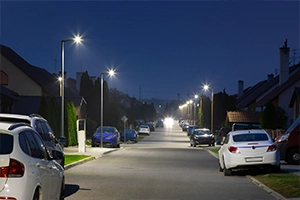
Parking becomes a sensitive topic inside mixed-use developments. Residents expect reliable parking without circling the neighborhood endlessly. Commercial tenants need spaces for customers. Sometimes visitors might accidentally wander into residential lots.
The board must clearly assign parking spaces and enforce the rule consistently. It is best to mark residential spaces and protect them from nonresidents. Visitor lots must include time limits, too.
In addition, commercial parking must remain available during business hours. Boards might need to enforce tow policies, warnings, and access controls, especially in larger communities. On the other hand, large community events might warrant temporary adjustments.
7. Voting Rights Allocation
This issue arises in mixed-use communities because commercial and residential owners often disagree on priorities. Commercial owners might hold more votes if the documents assign votes by square footage or parcel type. Residents might feel their needs get overshadowed even when those needs relate to daily living.
The board must understand how the original documents assign voting power. If the allocation consistently leads to unfair results, the community may need to amend the records. Of course, amendments may encounter pushback as well. It is essential to clarify the reason for the change and follow the amendment procedure correctly.
8. Security Concerns
Security risks increase as more people enter and exit the community. Visitors, employees, delivery drivers, and customers move through the property at all hours. A single unlocked access point or an unsecured loading area exposes residents to safety concerns. Commercial tenants add another layer because some businesses operate late into the night.
The board must regularly evaluate lighting, cameras, access control, and visitor procedures. Residential areas need stronger barriers than commercial ones. Staffed entries can help in large communities. Access cards, PINs, and photo IDs reduce unwanted entry. On the other hand, the board must explain changes to security so owners do not feel blindsided. Transparency strengthens trust, especially when safety becomes a recurring concern.
How a Management Company Can Help
Problems in mixed use community settings need constant monitoring. A management company can step in to organize maintenance, handle day-to-day complaints, communicate with various groups, and track shared responsibilities. Mixed-use developments have complicated budgets that combine residential and commercial expenses, so professional oversight can help prevent mistakes.
A management company can also help the board figure out how to enforce rules without pushing conflicts into bigger disputes. The manager can serve as the middle point between residents and commercial tenants. This gives the board space to make decisions without getting pulled into every daily argument.
A Workable Situation
Problems in mixed use community developments stem from the structure of buildings and the differing priorities of residents and tenants. The board can minimize conflict by communicating frequently and enforcing the rules consistently. When in doubt, it is best to hire professional management companies for assistance.
Graham Management offers exceptional mixed use association management services to Houston communities. Call us today at (713) 334-8000, request a proposal, or contact us online to learn more.
RELATED ARTICLES:
- What Does Texas Law Say About HOA Security Cameras
- What Is A Condominium Association? How Different Is It From An HOA?
- HOA Sidewalk Rules Explained: Rights And Regulations