
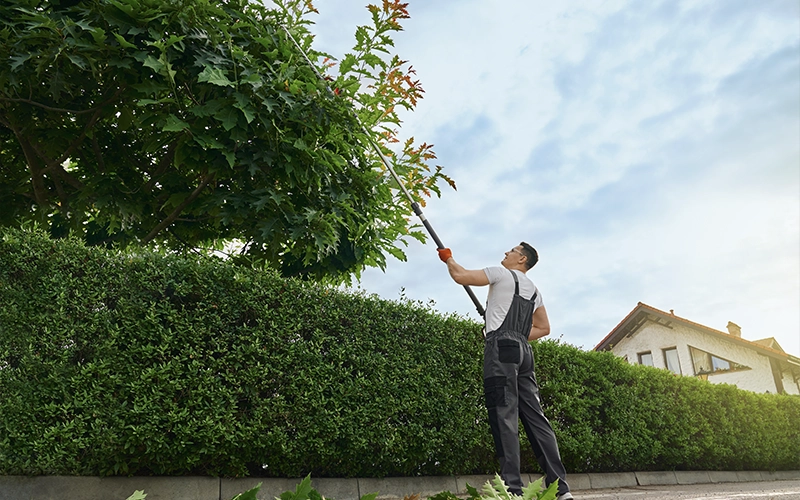
Spring tree pruning is an essential part of any planned community’s landscaping schedule. It keeps trees healthy and prevents branches from falling off, which could pose a danger to vehicles, buildings, and pedestrians. Boards should understand why pruning during spring is beneficial.
The Best Time for Spring Tree Pruning

Landscaping maintenance is one of the board’s duties in an HOA or condo community. While owners are responsible for maintaining their private lots, the association is responsible for maintaining common areas. And a big part of landscaping is tree trimming.
But when is the best time to prune trees? Can you trim trees in the spring?
Spring is often considered the best time for tree trimming for several reasons. This is when trees are beginning their active growth cycle. During this time, pruning cuts heal a lot faster because the tree produces new tissue.
With faster healing comes other benefits. It reduces the risk of pests, fungi, and diseases that enter through open wounds. It also makes it easier to identify dead or damaged branches, as healthy branches usually sprout buds or leaves.
Additionally, trimming in the spring can help shape the tree before the growing season is in full swing. Removing weak, crowded, or poorly positioned branches allows more sunlight to reach the canopy. It also encourages airflow. All of this supports stronger growth throughout the whole season.
The Benefits of Pruning Trees in Spring
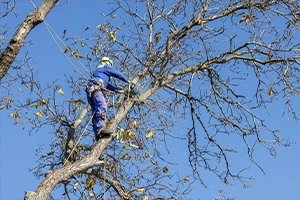
Many communities prune trees before the winter season to prevent branches from falling due to snow or harsh winds. Still, it is a good idea to include the task in an association’s springtime maintenance plan.
Here are the benefits of trimming trees in the spring.
1. Improves Tree Health
Prune dead, diseased, or damaged branches that may attract pests or spread disease. With those out of the way, the tree can direct most of its energy toward healthy growth.
2. Encourages Strong and Balanced Growth
Strategic pruning helps guide how a tree grows. Removing crowded or poorly placed branches will encourage a stronger foundational structure. This also promotes more balanced canopy development.
3. Promotes Faster Healing
As previously mentioned, trees heal faster in the spring. During this time, trees recover from pruning cuts more quickly because it’s the growing season. With faster healing, trees can shield themselves from the risk of pests or disease.
4. Improves Sunlight and Airflow
Thick branches make it harder for sunlight to penetrate and for air to reach more of the canopy. By trimming trees, associations can thin them out, improving sun absorption and airflow. Both of these things encourage the healthy growth of leaves and new branches.
5. Helps Identify Dead Branches
During spring, trees begin to produce buds and leaves. This makes it easier to spot which branches are healthy. Simply look for branches that fail to grow and remove them to make room for healthier limbs.
6. Reduces Safety Risks
Weak or overgrown branches can easily break during storms or in strong winds. Pruning lowers the risk of falling limbs, which could damage property or vehicles and even injure residents or guests.
7. Protects Nearby Structures
Aside from preventing branches from falling, spring tree pruning also helps protect nearby structures by keeping branches away. Make sure to remove branches that grow too close to roofs, fences, sidewalks, or power lines.
8. Improves Appearance and Property Values
Well-pruned trees look more presentable and balanced. They give the overall landscaping a cleaner appearance. In doing so, the association can improve curb appeal and protect property values in the long run.
9. Supports Fruit and Flower Production
If an association has fruit or flowering trees, spring pruning is a good idea. This allows the tree to focus more energy on producing flowers or fruit rather than supporting extra limbs.
10. Helps Manage Pests and Disease
Removing infected or infested limbs early on can prevent problems from spreading to the rest of the tree. Pests and diseases can even affect nearby plants.
11. Prepares Trees for Seasonal Weather
Spring tree pruning removes weak limbs before summer storms or heavy winds arrive. This can help reduce potential storm damage.
Why Hire Professionals for Spring Pruning Trees?
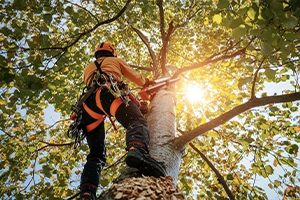
Tree pruning may seem straightforward, but it requires training, experience, and the proper equipment. For homeowners associations, hiring professionals is often the safest and most effective option.
Here’s why cutting back trees in spring requires a professional’s touch.
1. Protects Residents and Property
Tree pruning can be dangerous, especially when dealing with tall trees or heavy limbs. Professionals use proper safety gear and equipment to reduce the risk of injury or falling branches that could damage homes, vehicles, or sidewalks.
2. Ensures Proper Pruning Techniques
Incorrect pruning can weaken trees, encourage disease, or cause uneven growth. Certified arborists understand where and how to cut branches so the tree stays healthy and structurally sound.
3. Identifies Tree Health Issues Early
Professionals are trained to spot signs of disease, pest infestations, or structural problems. Early detection allows the HOA to address issues before they become costly or hazardous.
4. Protects the HOA From Liability
Improper tree work can lead to accidents or property damage. Hiring licensed and insured tree care professionals will help reduce the association’s liability if something goes wrong.
5. Access to Specialized Equipment
Professional crews often use bucket trucks, climbing gear, and specialized cutting tools. This equipment allows them to safely reach tall trees and remove large branches without damaging the surrounding landscaping.
6. Maintains Consistent Community Appearance
Professional pruning can help keep trees evenly shaped and healthy across the community. This, in turn, enhances curb appeal and increases property values.
7. Saves Time and Reduces Long-Term Costs
Improper or delayed pruning can lead to bigger problems down the line, including tree failure or expensive removals. Professionals can not only complete the work efficiently but also help prevent costly issues later.
8. Helps the HOA Plan Long-Term Tree Care
Board members aren’t tree experts. Professional companies can recommend pruning schedules, maintenance plans, and strategies for maintaining healthy community landscaping over time.
Budget for Tree Trimming
Associations shouldn’t discount the benefits of spring tree pruning. It’s a preventive measure that helps keep costs low, ensures healthy trees, and protects both property and residents. Investing in it is a must, so boards should allocate enough funds in the operating budget.
Graham Management offers exceptional HOA management services to Houston communities. Call us today at (713) 334-8000, request a proposal, or contact us online to learn more.
RELATED ARTICLES:
- Year-Long HOA Lawn Maintenance
- Is Having A Sport Court In Backyards Allowed In HOAs?
- Keeping Wildlife In Texas HOAs Safe: Trash, Feeding, And Community Guidelines