
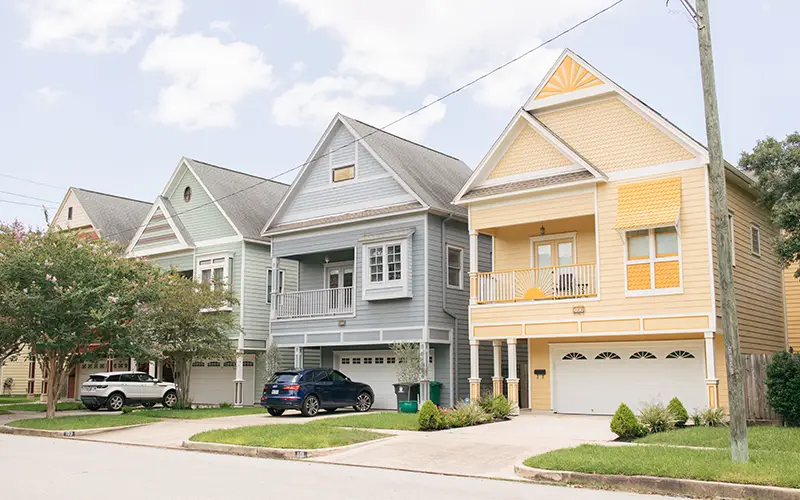
What is a master planned community? This is a question many people ask, especially potential buyers. With the growing popularity of master planned communities, it is important to understand how they work and how they differ from traditional neighborhoods.
What is a Master Planned Community?
When browsing online for available homes, buyers often come across the term “master planned community.” But what does “master-planned community” mean?
A master planned community, or MPC for short, is a large-scale residential development designed from the ground up. What separates it from other neighborhoods is that an MPC is typically self-contained. This means that it combines residential housing with commercial spaces, retailers, healthcare centers, recreational amenities, and even schools.
In a master planned neighborhood, residents can live, work, and play, all without even leaving the premises. Developers tend to have a unified vision and execute that through a long-term plan.
Key Characteristics of Master Planned Communities
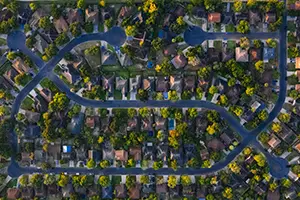
Some people find it difficult to distinguish a master planned community from other types of developments. Below are the key features that define an MPC.
1. Large-Scale Development and Sub-Associations
Master-planned associations encompass large areas. They boast extensive acreage, which is necessary to integrate retail stores, businesses, parks, recreational facilities, hospitals, and schools.
An MPC is also typically composed of multiple smaller neighborhoods within a single community. These are called sub-associations. Sub-associations usually have their own boards and operate under an overarching master HOA. Residents in these communities often pay two sets of dues and must adhere to both sets of governing documents.
2. Comprehensive Community Design
A master planned neighborhood boasts thoughtful infrastructure planning and design. These communities offer a wide range of recreational, commercial, and residential areas. Developers plan and build these communities, often likened to small cities or towns, from scratch.
3. Shared Amenities
Another defining characteristic of an MPC is the presence of shared amenities. Residents are free to use clubhouses, swimming pools, fitness centers, walking trails, sports courts, parks, and green spaces.
4. Architectural and Community Standards
To maintain a consistent appearance, master-planned communities typically enforce architectural guidelines. This means that homes, buildings, and stores must align with the neighborhood’s overall design or vision. Owners must typically seek approval before making any exterior changes or improvements.
Similarly, owners must comply with strict maintenance standards. Associations usually require owners to keep their properties clean and functional. Violating these rules can lead to penalties.
Master Planned Community vs Traditional Neighborhood
While they share some similarities, a master community is not the same as a traditional neighborhood. Buyers must learn to distinguish between the two using the standards below.
1. Size and Scope
A master community is a large-scale neighborhood with comprehensive design and plans. It typically consists of an assortment of residential, commercial, and recreational properties.
In comparison, a traditional neighborhood is usually smaller. Most associations only have a residential area and some common amenities.
2. Amenities
Master planned communities boast extensive amenities and recreational facilities, whereas traditional neighborhoods offer more limited amenities.
The typical amenities found in MPCs include:
- Resort-style pools
- Clubhouses and event center
- Fitness facilities
- Parks and playgrounds
- Lakes and ponds
- Walking and biking trails
- Sports fields and courts
- Dog parks
- Community events and programs
- Retail and dining areas (where applicable)
Residents of master communities don’t have to venture far to meet their needs. In contrast, residents of traditional neighborhoods usually have to travel quite a bit to find a hospital, school, or park.
3. Governance
Master planned communities often use a layered governance structure. A master association oversees community-wide amenities, common areas, and services that benefit all residents.
Many master planned communities also have sub-associations that govern specific neighborhoods, condominium buildings, or townhome sections. These associations maintain local amenities and enforce neighborhood-specific rules. As a result, homeowners may belong to both a master association and a sub-association.
On the other hand, traditional neighborhoods usually have a simpler structure. They often have a single HOA or no association at all. This makes governance and decision-making much less complicated.
In Texas, master associations fall under Chapter 215 of the Property Code.
4. Maintenance Responsibilities
Maintenance responsibilities are often more extensive in master planned communities than in traditional neighborhoods. The association typically maintains a wide range of common areas and shared amenities. Meanwhile, homeowners remain responsible for maintaining their individual properties.
In traditional neighborhoods, common area maintenance is usually more limited due to fewer amenities and common elements. Because master planned communities generally maintain more areas, they often require more comprehensive maintenance programs.
5. Dues and Assessment Structures
Homeowners in MPCs must pay regular dues and assessments. Because these owners belong to both a master association and a sub-association, they pay two sets of dues. Dues also tend to be higher because of the range of amenities and services.
In comparison, traditional neighborhoods have lower dues. Some neighborhoods don’t even charge dues if there’s no HOA or shared expenses.
Who Manages a Master Planned Development?
Due to the nature of master planned communities, leadership is frequently layered. The master association has an overall board of directors, while sub-associations have their own boards of directors.
Work can quickly accumulate and feel overwhelming, especially since boards typically consist of volunteer owners. For this reason, many MPCs hire professional management companies to assist with both day-to-day and long-term oversight.
The Benefits of Living in a Master Planned Community

Before deciding on a home, buyers must consider if the lifestyle in a master community is right for them. Here are the advantages of MPC living.
1. Enhanced Lifestyle Opportunities
Master planned associations usually boast a multitude of amenities and services. They are also self-contained, which means residents have access to community institutions and civic facilities within close proximity. Beyond that, MPCs typically plan large community events.
For those looking for an active and engaging lifestyle, living in a master community definitely works. There are several opportunities for social interaction, wellness activities, and family-friendly programming.
2. Amenities for All Ages
Master-planned communities are great for residents of any age or stage in life. Recreational opportunities and community activities are usually varied, appealing to a wide range of interests. Residents can enjoy an active lifestyle or embrace a more relaxed pace, with something available for everyone.
3. Strong Sense of Community
Thanks to community events, neighborhood activities, and shared spaces, there’s a greater chance of resident interactions. This helps foster stronger connections and creates a welcoming environment. Engagement is higher in MPCs compared to traditional associations.
4. Consistent Property Standards
Architectural guidelines and maintenance standards help preserve the community’s appearance. With a cohesive neighborhood aesthetic, master communities boast enhanced appeal. This makes residents proud to live in the community.
5. Stable Property Values
Ongoing maintenance, amenities, and community standards all positively impact long-term property values and desirability. Owners are more likely to experience a higher return on their investment.
What is a Master Planned Community? Answered!
Clearly, master planned communities offer attractive living arrangements, but management comes with plenty of challenges. The very features that make MPCs appealing also make it difficult to ensure smooth operations. Boards must oversee everything from maintenance and rule enforcement to dues collection and governance.
Graham Management offers exceptional master planned community management services to Houston communities. Call us today at (713) 334-8000, request a proposal, or contact us online to learn more!
RELATED ARTICLES:
- What Is A Mixed Use Community Association?
- Common Problems In Mixed Use Community Associations
- HOA Transition From Developer Controlled Community: Is This Needed?