
A Roberts Rule of Order cheat sheet can make meetings run smoother and help board members make clearer decisions. It gives boards, committees, and organizations an established structure to follow. With this guide, members will know how to speak, when to vote, and what actions take priority. It aims to simplify the process and keep things as fair as possible.
What is Robert’s Rules of Order?
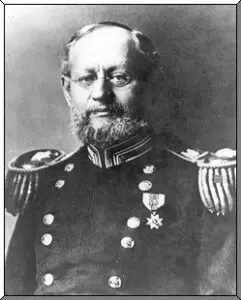
Robert’s Rules is a guidebook for running meetings and making group decisions. It was written by Henry Martyn Robert, a U.S. Army officer, in the 1870s. His goal was to create a standardized method of parliamentary procedure for organizations of all sizes.
The rules outline how to introduce topics, manage discussions, vote, and resolve conflicts. Many organizations use Robert’s Rules of Order, such as school boards, nonprofit corporations, and city councils. Homeowners associations are no exception.
Robert’s Rules can help ensure that everyone gets a chance to speak and be heard. It can also help protect the rights of both the majority and the minority.
The Importance of a Roberts Rule of Order Cheat Sheet

A Robert’s Rules of Order cheat sheet is helpful because the full rulebook can feel overwhelming. Most people don’t have time to read hundreds of pages of what is essentially an instructional manual. A cheat sheet summarizes the most common motions and procedures.
Board members often refer to the cheat sheet to check if something needs a second, if it can be debated, or how to vote on it. It is beneficial for new leaders serving on an HOA board. With a clear guide, boards can prevent confusion and keep meetings moving smoothly. It can also promote fairness and consistency in how the association makes decisions.
Six Categories of Motions
Most board actions start with a motion and a second. Robert’s Rules divides motions into six types, each with a different level of urgency or purpose. These are the main motions, subsidiary motions, privileged motions, incidental motions, motion to table, and motion to postpone.
Let’s break them down below.
1. Main Motions
Main motions introduce new business or proposals. They can only be made when no other motion is on the floor. Main motions require a second, can be debated, and can be amended.
2. Subsidiary Motions
These help modify or affect the main motion. Examples include motions to amend, refer to committee, or limit debate. They must be dealt with before the main motion can move forward.
3. Privileged Motions
These deal with urgent matters not related to the main motion. For example, motions to adjourn or take a recess. They usually take priority over everything else.
4. Incidental Motions
These relate to the procedure of the meeting. For example, calling for a point of order or appealing the chair’s decision. It is imperative to address these motions immediately.
5. Motion to Table
This motion sets aside the current discussion. Members often use this motion when the group needs more information or time. It is not meant to kill the motion, only delay it.
6. Motion to Postpone
This motion delays a vote until a later time or meeting. It gives the group time to gather input, data, or consider other items first.
Elements of Meeting Rules of Order
Roberts Rules for meetings is something that helps organizations maintain order and fairness. These elements allow the group stay focused and structured during decision-making.
- Motion. A member introduces a proposal by saying, “I move that…” This brings the topic up for discussion.
- Amend a Motion. If someone wants to change the motion slightly, they say, “I move to amend the motion by…” This can adjust wording, amounts, or timing.
- Commit. This sends the motion to a smaller group for further study. A member might say, “I move to refer the motion to the finance committee.”
- Question. A member may ask for clarification by saying, “Point of information” or “Point of order.” This keeps things clear and fair.
- Adjourn. To close the meeting, someone says, “I move to adjourn.” If seconded and passed, the meeting ends.
Steps When Making Motions

The Roberts Rule of Order cheat sheet outlines six key steps when making motions. First, a member makes a motion, which is seconded. Then, the chair restates the motion, followed by a debate and a vote. The results of the vote are announced at the end.
- Motion. A member says, “I move that…” to introduce a topic.
- Second. Another member says, “I second the motion.” This shows that at least one other person agrees that the topic is worth discussing.
- Restate Motion. The chair repeats the motion to the group. This will ensure that everyone understands the topic of the discussion and can keep up.
- Debate. Members discuss the motion. They can speak for or against it, offer amendments, or ask questions.
- Vote. The chair calls for a vote. Members may respond with “aye,” “no,” or raise hands. The result depends on the voting rules in the group’s bylaws.
- Announce the Vote. The chair announces the result. For example, “The motion passes” or “The motion fails.”
Points in Robert’s Rule of Order
In Robert’s Rules, points help members speak up when something needs clarification, correction, or immediate attention. These points are not motions, so they do not require a second or a vote. Members can also interrupt the speaker when raising most of these points.
These points include: Point of Order, Point of Information, Point of Inquiry, and Point of Personal Privilege. Let’s break them down below.
1. Point of Order
A Point of Order is raised when a member believes the rules are not being followed. It helps correct a mistake in procedure right away.
A member says, “Point of order,” and the chair must pause the discussion to hear the concern. The chair decides whether the point is valid and takes any needed corrective action. This keeps the meeting within the rules.
2. Point of Information
A Point of Information is used when a member needs factual clarification. For example, they might want to confirm budget figures or check meeting times. It is not meant for debate or opinion.
The member says, “Point of information,” and waits for the chair to recognize them. Once identified, they ask their question. The chair or another member can provide the answer.
3. Point of Inquiry
A Point of Inquiry is similar to a Point of Information, but it focuses on procedure.
A member might ask, “What are the next steps if this motion passes?” or “Are we allowed to amend this motion now?” This helps members follow the correct process. It is sometimes called a Parliamentary Inquiry. The chair responds with guidance based on Robert’s Rules.
4. Point of Personal Privilege
A Point of Personal Privilege protects a member’s comfort or ability to participate. A member might use it to request a lower volume on the microphone, address distracting noise, or respond to a personal attack.
The member says, “Point of personal privilege,” and briefly explains the issue. The chair decides whether to grant the request or take action to fix the problem.
Roberts Rule of Order for Meetings
The Rules of Order for meetings outline the standard agenda many organizations follow. This agenda include the following:
- Call to Order. The chair opens the meeting by saying, “The meeting will come to order.”
- Approval of Previous Meeting Minutes. The group reviews the minutes from the last meeting. They can make corrections before approving the minutes.
- Officer Reports. Officers like the president, treasurer, or secretary give updates.
- Standing Committee Reports. Ongoing committees give summaries of their work.
- Special Committee Reports. Temporary committees report on tasks assigned.
- Old Business. The group revisits motions or items left unresolved from previous meetings.
- New Business. This portion introduces new items for discussion.
- Announcements. Members share reminders, updates, or upcoming events.
- Adjournment. The meeting ends with a motion to adjourn. Once seconded and approved, the chair declares the meeting over.
Robert’s Rules Cheat Sheet for Nonprofits
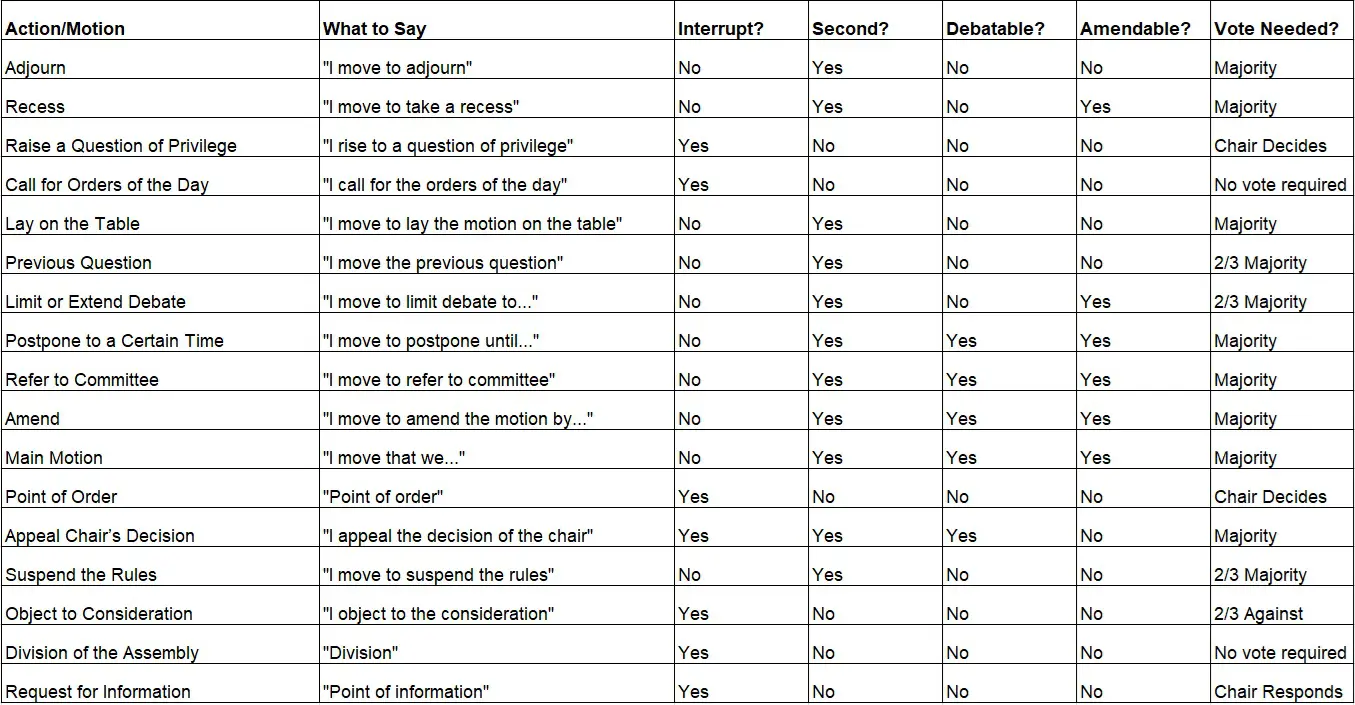
Nonprofits use Robert’s Rules to ensure structure and fairness during board and member meetings. The cheat sheet below simplifies motions by order of precedence and outlines what to say, when to say it, and how to manage each action.
Robert’s Rules of Order Simplified
A Roberts Rule of Order cheat sheet turns a complex set of rules into a simple and easy-to-use guide. It can help organizations stay on track, make fair decisions, and keep meetings productive. Board members in HOAs should practice these rules to ensure more effective and respectful discussions at meetings.
Graham Management offers exceptional HOA management services, including help with meetings, to Houston communities. Call us today at (713) 334-8000, request a proposal, or contact us online to learn more.
RELATED ARTICLES:
- HOA Governing Documents Breakdown: What Comes First?
- HOA Terms, Acronyms, Abbreviations And Definitions
- What Does The HOA ARC Committee Do?