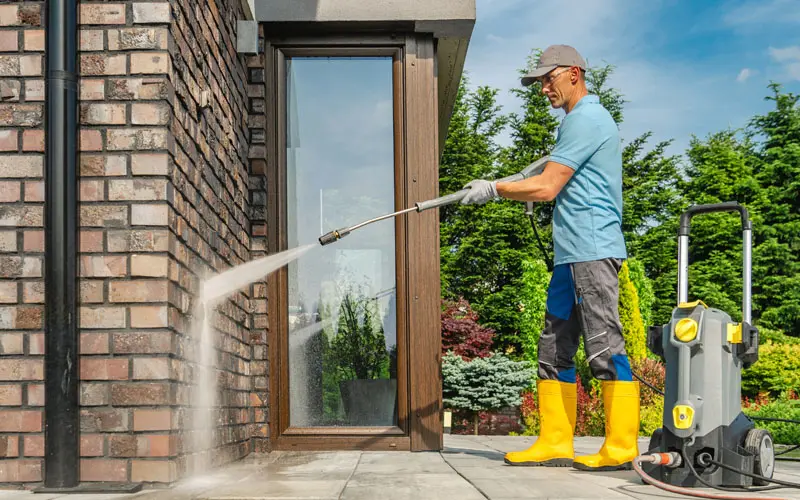
HOA exterior maintenance plays a crucial role in maintaining the appearance and functionality of communities. When the exterior is well-maintained, it not only protects property values but also ensures that shared spaces remain safe and welcoming.
What Does HOA Exterior Maintenance Mean?
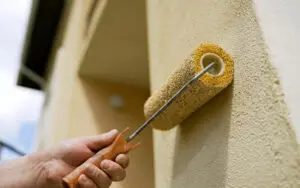
HOA exterior maintenance refers to the upkeep, repair, and replacement of the community’s shared exterior features. These can include building structures, grounds, and amenities that are accessible to multiple residents.
The term covers everything from repainting walls to fixing damaged sidewalks. The goal is to ensure that these areas remain safe, functional, and visually appealing.
Each association’s specific duties will depend on state laws and the community’s governing documents. In some communities, the HOA is responsible for nearly all exterior features. In others, it only maintains select common areas while homeowners handle their own property exteriors.
That said, regardless of the setup, the objective remains the same: to preserve the community’s appearance and structural integrity.
What are the Maintenance Responsibilities of the HOA?
The exact scope of an HOA’s exterior maintenance responsibilities comes from two primary sources: state laws and the association’s governing documents. These sources outline the duties the HOA must follow and provide guidelines on how frequently maintenance should be performed.
In most cases, the HOA is responsible for maintaining common areas and shared elements. Meanwhile, homeowners have their own maintenance responsibilities.
In a condominium, shared elements could include the entire exterior structure of the building, shared roofs, hallways, stairwells, and landscaped grounds. In a single-family HOA, the association’s responsibilities may focus on neighborhood entrances, sidewalks, green spaces, and amenities.
Typical HOA maintenance responsibilities include:
- Repairing and repainting shared walls or fences
- Maintaining the roofing on shared buildings or structures
- Landscaping and irrigation for common areas
- Maintaining parking lots, sidewalks, and community roads
- Cleaning and repairing exterior lighting and signage
- Managing pest control for shared areas
Homeowners also have their own set of maintenance duties. These may include maintaining their yard, repainting their home’s exterior, cleaning gutters, and repairing fences located on their property.
It is essential to understand where the HOA’s role ends and where the homeowner’s role begins. This will help prevent disputes and ensure the community remains in top condition.
What to Include in an HOA Exterior Maintenance Checklist
When it comes to exterior maintenance for HOA communities, boards would benefit from a well-planned checklist. This checklist should include the following common elements:
1. Entrances and Exits
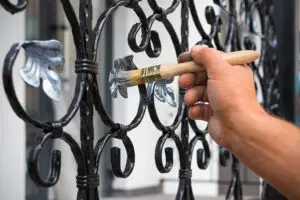
Community entrances and exits are the first things visitors and residents see. They set the tone for the entire neighborhood. The HOA should ensure these areas are clean, well-lit, and free of hazards. This can include repainting gates, maintaining signage, and repairing any damaged brickwork or fencing.
2. Exterior Paint and Siding
HOA exterior maintenance often includes painting and siding repairs for shared structures. Peeling paint, cracks, or mold on siding can make the community look neglected. These can even lead to bigger structural problems.
Additionally, Boards should conduct regular inspections for these areas. This will allow the HOA to schedule repainting or siding replacement before the damage worsens.
3. Roof
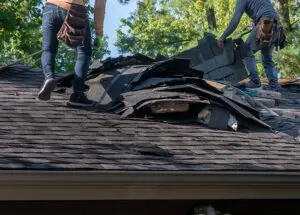
A building’s roof is one of the most critical elements in HOA exterior maintenance. For condominiums and shared facilities, the HOA is typically responsible for conducting roof inspections, making repairs, and performing replacements.
Neglecting the roof can lead to leaks, water damage, and costly structural repairs. Fortunately, the board can extend the roof’s lifespan and preserve property values by conducting annual inspections and repairs (if necessary).
4. Gutters and Downspouts
Gutters and downspouts direct rainwater away from buildings. They protect foundations and prevent erosion. If they become clogged or damaged, water can pool near structures, causing serious issues. The HOA should schedule seasonal cleanings and make prompt repairs when necessary.
5. Sidewalks and Walkways
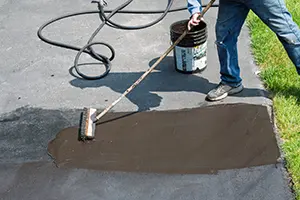
Residents and guests use sidewalks and walkways daily. The HOA should ensure these paths are free of cracks, potholes, and uneven surfaces that could cause trips or falls. Regular inspections will also help keep these areas safe. Additionally, boards should schedule an inspection after storms or periods of freezing weather.
6. Driveways
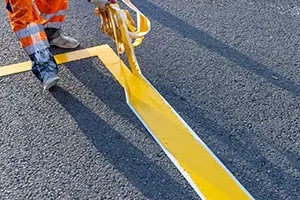
In shared parking areas or condominiums, the HOA is responsible for maintaining driveways and parking lots. This may involve sealing asphalt, repainting parking lines, or repairing potholes. With clear markings and smooth surfaces, the association can improve safety for both drivers and pedestrians.
7. Decks and Awnings

Some shared buildings or amenities feature decks, patios, or awnings. These structures should be inspected for rot, rust, or loose fasteners. Regular cleaning and repainting help extend their lifespan and keep them looking inviting.
8. Landscaping
Landscaping is one of the most visible aspects of community maintenance. It includes mowing lawns, trimming bushes, planting seasonal flowers, and maintaining irrigation systems.
Well-maintained landscaping can enhance curb appeal and increase property value. The HOA may also handle tree trimming to prevent branches from damaging buildings or blocking walkways.
9. Lighting Fixtures
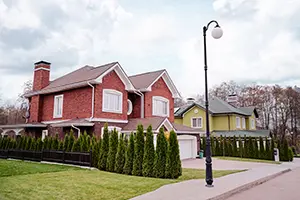
Adequate lighting is essential for both safety and appearance. The HOA should maintain streetlights, pathway lights, and any decorative lighting in shared spaces. Boards should also ensure regular bulb replacements and cleanings.
10. Signage
Community signs not only aid navigation, but they also establish a professional tone for residents and visitors alike. The HOA is responsible for maintaining entrance signs, street signs, and directional markers. This can include repainting, cleaning, or replacing faded or damaged signs.
11. Pest Control
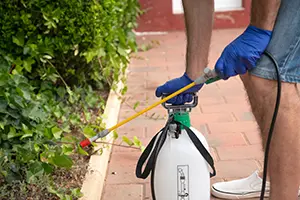
Pests can quickly damage landscaping, buildings, and outdoor structures. The HOA should arrange for regular pest control services for common areas. This includes treatments for insects, rodents, and other animals that pose health or property risks.
The Importance of Insurance Coverage
HOA exterior maintenance is not just about performing repairs. It also involves protecting the association from unexpected costs. Insurance coverage plays a vital role in this. Most HOAs carry property insurance that covers damage to common areas and shared structures resulting from covered perils, such as storms, fires, or vandalism.
Without proper insurance, a single major repair could strain the association’s budget. It could even force the board to levy a costly special assessment, which would require a board vote at an open meeting. Board members should review policies regularly to ensure coverage meets the community’s needs.
The Final Word
HOA exterior maintenance is essential for preserving property values, ensuring safety, and maintaining a welcoming environment for all residents. By clearly understanding responsibilities, following a consistent checklist, and keeping adequate insurance, an HOA can manage upkeep effectively.
Graham Management offers exceptional HOA management services to Houston communities. Call us today at (713) 334-8000, request a proposal, or contact us online to learn more.
RELATED ARTICLES:
- A Guide To HOA Special Assessment In Texas
- HOA Insurance And H06 Insurance Explained
- HOA Common Area Rules: What You Can And Cannot Do