
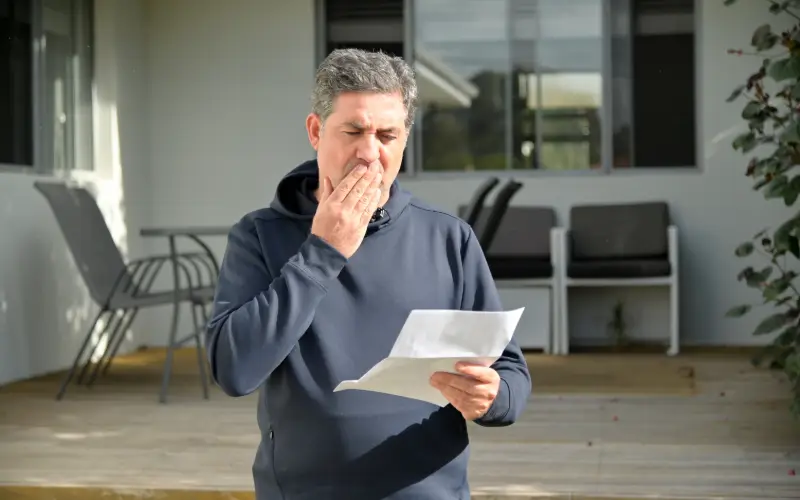
It can be difficult for association boards to enforce the rules when homeowners ignore notices. Some owners simply forget to respond, while others purposely disregard notices from the association. In either case, the board must know what steps to take next.
What Happens When Homeowners Ignore Notices?
When owners ignore notices from the association, the board can generally take further enforcement action, provided it follows proper procedures.
Not all notices require a response from homeowners. For instance, associations may send notices informing owners of upcoming meetings or scheduled maintenance work. Violation notices and late payment notices, on the other hand, typically require some form of action.
When owners fail to take action, the board shouldn’t just let the matter go. Apart from setting a bad precedent, this can lead to problems with rule enforcement down the line.
What Should the HOA Board Do When Homeowners Ignore Notices?
When homeowners ignore notices, the HOA board should verify that they received it in the first place, review the association’s enforcement policy, give the owner time to correct the violation, conduct a follow-up inspection, impose fines, suspend privileges, and consult an attorney.
1. Verify That the Owner Received the Notice
There is always a chance that the owner didn’t receive the notice. This is particularly common in communities with a large number of absentee owners. The association may not have their current mailing addresses on file.
Under Section 209.006 of the Texas Property Code, associations must generally send written notice via certified mail before imposing fines. The association must send this notice to the owner’s last known address according to its records.
2. Review the Association’s Enforcement Policy
Every association should have an established procedure for when homeowners ignore an HOA violation notice.
Some associations send two or three notices before resorting to fines. Others may impose a fine after the first notice, provided they have satisfied the necessary legal requirements.
In Texas, associations with fining authority must adopt a fine policy under Section 209.0061. Board members should refer to this policy before proceeding.
3. Give the Owner Time to Correct the Violation
Depending on the nature of the violation, it may take some time for the owner to correct it. Repainting a house, for instance, takes considerably more time and money than moving a vehicle.
Under Texas law, associations must give owners a reasonable cure period for curable violations that don’t threaten public health or safety. If the owner corrects the violation within this period, the board can’t impose a fine.
Of course, there are exceptions to the notice requirement. One is when the owner has already received the required notice and opportunity to exercise their rights for the same violation within the previous six months.
4. Conduct a Follow-Up Inspection
Just because the owner hasn’t responded doesn’t necessarily mean the violation is still there. Some homeowners correct violations without informing the association.
After the cure period expires, the board or HOA manager should conduct another inspection. If the violation persists, it is good practice to take photos. These can come in handy if the owner disputes the fine later on.
5. Impose Fines
When homeowners ignore notices and fail to correct their violations, the board may have to resort to fines. Of course, the association must have the authority to impose them under its governing documents.
The amount of the fine should align with the association’s fine schedule. Some associations charge higher fines for repeat offenses.
Boards must also uphold an owner’s right to a hearing. Under Sections 209.006 and 209.007, owners have 30 days from the mailing date of the notice to request a hearing in writing.
6. Suspend Privileges
Another way to encourage compliance is to suspend certain privileges. This can include the owner’s right to use the community pool, clubhouse, or fitness center.
Not all associations have this authority, so boards should check their governing documents first. Additionally, associations must comply with notice and hearing requirements before suspending privileges.
7. Consult an Attorney
There are instances where even fines aren’t enough to get owners to comply with the rules. At this point, it may be worth involving the association’s attorney.
Sometimes, receiving a letter from an attorney is enough to get an owner to take the violation seriously. Other times, the association may have to file a lawsuit to compel compliance.
Before pursuing litigation, the board should consider whether or not it is a wise choice.
What Happens When Homeowners Ignore HOA Fine Notices?

While some homeowners eventually correct their violations, they may still refuse to pay their fines. Associations can pursue collection efforts against these owners. This can involve hiring a collection agency or even suing the owner for unpaid fines.
That said, the association’s collection authority has limits. Under Section 209.009, Texas HOAs can’t foreclose on a home solely because of unpaid fines or attorney’s fees associated with those fines.
There are also restrictions on passing attorney’s fees on to homeowners under Section 209.008.
How Can the HOA Board Get Homeowners to Respond to Notices?
While boards can’t guarantee every homeowner will respond to notices, practices that encourage responses include keeping notices simple, using multiple channels, maintaining updated records, being approachable, and following through.
- Keep Notices Simple. Owners should be able to easily identify what rule they violated, what they must do, and how long they have to do it. Avoid using legal jargon.
- Use Multiple Channels. Apart from sending legally required notices, associations can send additional reminders via email or the community portal.
- Maintain Updated Records. It is a good idea to ask owners to update their contact information when it changes. Associations should also routinely update their records to ensure everything is accurate.
- Be Approachable. Some owners may have questions about their violations but don’t feel comfortable approaching board members. Boards should be open to discussing these concerns.
- Follow Through. If the board keeps sending notices without actually enforcing the rules, homeowners may eventually stop taking them seriously.
Can an HOA Management Company Help?
An HOA management company can help the board with much of the work that goes into rule enforcement.
Management companies typically conduct inspections, send violation notices, and keep track of outstanding violations. They can also coordinate with the association’s attorney should the need arise.
For self-managed associations, rule enforcement can take up a lot of the board’s time. Plus, some board members find it uncomfortable to repeatedly send violation notices to their own neighbors and friends. Having a management company handle these responsibilities can help with both problems.
The Board’s Job
Homeowners will inevitably ignore association notices at times. It is up to the board to handle these situations properly and within its legal authority. When in doubt, hiring professional services can help.
Take the stress out of running your Texas HOA with help from Graham Management. Our HOA management services give boards the support they need to keep their communities running smoothly. Call us today at (713) 334-8000, request a proposal, or contact us online to begin!
RELATED ARTICLES:
- Finding An HOA Lawyer And Why Your Association Needs One
- Can HOA Enter Your Backyard Or Property?
- What Is A Quorum In A HOA? FAQs Answered