

When funding is scarce, cutting back on HOA expenses is often the most prudent response. Unfortunately, many associations struggle to identify which expenses to prioritize and which expenses can be safely reduced. Understanding the expenses essential for ongoing operations and long-term stability is the first step.
What are HOA Expenses?
Simply put, HOA expenses are the routine and long-term costs that are necessary to operate a community association.
While exact expenses vary by association, they typically include landscaping, maintenance, insurance, utilities, legal costs, and professional fees. Smaller communities may incur fewer expenses than their larger counterparts. Moreover, neighborhoods with extensive amenities and facilities can expect to spend more on maintenance and utilities.
What’s the Difference Between HOA Operating Expenses vs HOA Reserve Fund Expenses?
In general, operating expenses are day-to-day costs, while reserve fund expenses are for major repairs or replacements.
Operating expenses usually cover routine maintenance, minor repairs, landscaping, insurance, utility bills, and management fees. They are recurring costs and are deducted from the operating budget or fund.
On the other hand, reserve expenses cover large-scale maintenance, repairs, or replacements of major or capital components. They are infrequent costs and are deducted from the reserve fund.
What are the Most Essential HOA Expenses?
For an HOA or condominium, the most essential expenses include maintenance, emergency repairs, utilities, vendor fees, insurance, mandatory services, legal and tax contributions, and reserve contributions. Let’s discuss each item below.
1. HOA Maintenance Costs
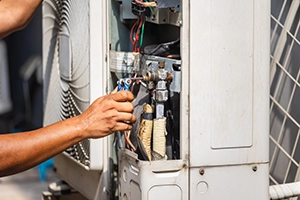
Maintenance is one of the chief obligations of an HOA to its members, so it’s not an expense the board can completely eliminate. Common area maintenance, in particular, improves curb appeal and preserves property values. Without routine maintenance, shared elements deteriorate and eventually break down.
While it may seem wise to defer maintenance until cash flow improves, it is not a long-term solution. By the time funds become available again, the damage may have already worsened, leading to more expensive repairs.
2. HOA Emergency Repairs Cost
In the event of unexpected damage, associations must allocate a portion of their funds to emergency repairs. In general, 5% to 10% of the budget should be reserved for emergency repairs.
This is not an expense that can be postponed. Similar to deferred maintenance, delaying repairs can aggravate the damage, even turning a simple repair into a full replacement.
3. Essential Utilities
Associations that maintain common facilities such as swimming pools, clubhouses, and fitness centers must prioritize utilities for these areas. The same goes for private street lighting, electronic gate access, and other shared systems owned by the association. An HOA can’t simply shut down all of its amenities.
4. HOA Insurance Costs
Insurance is required for most associations, either by state law or by their governing documents. For instance, in Texas, Section 82.111 requires that condominiums maintain, at a minimum, property insurance and commercial general liability insurance.
Insurance protects an association’s financial interests. When a covered peril occurs, insurance can pay for most, if not all, of the related costs.
5. Mandatory Services
When funds are tight, mandatory services should not be on the chopping block. These include waste management, sanitation, and basic security. Cutting off these services not only puts residents’ health and safety at risk, but it can also lead to legal issues.
6. Legal and Tax Obligations

Associations have certain legal and tax responsibilities to fulfill. Common examples include corporate filing, income taxes, and property taxes. While some boards file paperwork and pay the corresponding fees themselves, many others seek assistance from a lawyer or accountant.
7. Reserve Contributions
An association’s reserves cover the cost of major capital repairs and replacements in the future. When cash flow stalls, some boards allocate reserve contributions towards operating expenses instead.
While this works in the short term, reserve contributions must resume as soon as possible. Underfunded reserves put associations at greater risk. When capital components fail, boards would need to turn to large dues increases or significant special assessments.
What are Flexible HOA Expenses?
Flexible HOA expenses are those that are lower on the priority list but still important enough to warrant second consideration, such as routine landscaping, non-urgent repairs, amenity operations, and professional management. Let’s discuss each item below.
1. Routine Landscaping
Landscaping enhances curb appeal, instills community pride, and attracts new buyers. When the budget is tight, boards may postpone routine landscaping work in favor of essential services. That said, it is not a good idea to halt landscaping for prolonged periods, as overgrown vegetation, dying trees, and rotting plants have an adverse effect.
2. Non-Urgent Repairs
Repairs are vital to any association, but boards may delay non-urgent work. These often include minor inconveniences or cosmetic fixes, such as slow-draining sinks, a single broken bulb, loose cabinet hinges, sticky windows, and chipped paint. Address these repairs when funds free up.
3. Amenity Operations

A sudden, sharp rise in utility bills can immediately cripple the operating budget. If utility rates remain unchanged, the board may consider limiting usage or reducing operating hours. Of course, it is important to inform residents of the change and the reason behind it.
4. HOA Management Cost
Professional management is typically one of the first HOA vendor expenses to go when funds are short. Boards opt for self-management as it can decrease costs, but this move often comes with drawbacks.
For one thing, self-managed boards must do everything alone. This includes rule enforcement, communication, dues collection, financial reporting, and maintenance coordination. When an HOA fires its management company, the company typically takes its expertise and connections with it.
As an alternative, HOA boards must consider negotiating a discounted rate with their management. Many companies offer tiered packages, so scaling back may be a good option as well.
What HOA Expenses Should the Board Cut if Funds are Low?
When budgetary concerns arise, social events and vanity projects are the HOA expenses that boards can cut with minimal impact on day-to-day operations.
Social events, particularly extravagant ones, are budget drainers. They are especially expensive for larger communities with many attendees. Until funds are back at a healthy level, the HOA should stick to low-cost gatherings or none at all.
Similarly, vanity projects serve no real purpose other than aesthetics. If a project is purely cosmetic and bears no influence on health, safety, or legal compliance, then delaying it is a sensible move.
The Importance of Priorities
Prioritizing HOA expenses when funds are scarce is a key responsibility of board members. When ranking the importance of every line item, consider urgency and its effects on the community as a whole. Depending on the financial situation, an HOA may afford to cut back on the expense rather than eliminate it.
Graham Management offers exceptional HOA management services to Houston communities. Call us today at (713) 334-8000, request a proposal, or contact us online to learn more!
RELATED ARTICLES:
- How To Create And Manage An HOA Budget As A Board Member
- A Guide To HOA Special Assessment In Texas
- Finding An HOA Lawyer And Why Your Association Needs One